
Why Your Child’s Nervous System Isn’t Calming Down (And What It Actually Needs)
If your child can’t sit still, won’t calm down, or seems to get more worked up the more you try to help — this isn’t a behavior problem.
It’s a nervous system problem.
In this post, you’ll learn:
• Why kids don’t just “calm down” on command
• The different types of sensory input their bodies are actually seeking
• How to quickly figure out what your child needs in the moment
• And how simple movement resets (like this 1-minute calming routine) can help them regulate fast
Because once you understand what their nervous system is asking for, calm becomes something you can guide — not fight.
Calm Is Not a Command — It’s a State
When a child is overstimulated, their body is running on high alert. Their system is wired for movement, noise, or escape.
Telling them to “sit still” is like telling a speeding train to politely slow down.
What they actually need is input.
Not lectures.
Not consequences.
Input.
The 4 Types of Input That Help Kids Reset
After working with children for years (and raising one), I’ve noticed most dysregulation falls into one of these categories:
1. Proprioceptive Input (Heavy Work)

This is pressure. Resistance. Muscle engagement.
Examples:
• Wall pushes
• Animal stomps
• Jumping
• Carrying something heavy
• Squatting and pressing hands into the floor
This type of input helps the body feel organized.
If your child is wild, crashing into things, or bouncing nonstop — this is often the answer.
2. Vestibular Input (Movement Through Space)
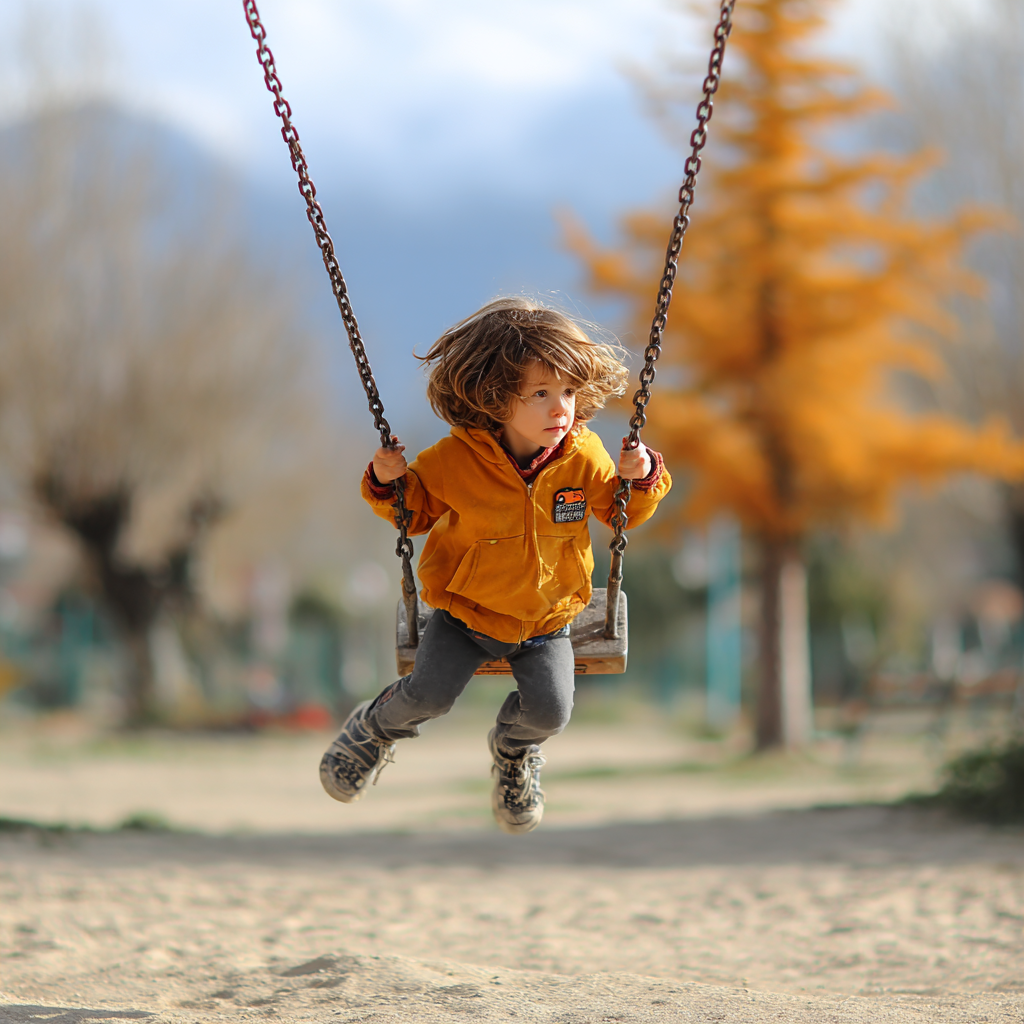
This includes:
• Spinning
• Swinging
• Jumping
• Rolling
Some kids need motion before they can focus.
Others become more dysregulated from too much of it.
Knowing your child matters.
3. Tactile Input (Touch-Based Regulation)

For some children, grounding happens through touch:
• Sensory bins
• Holding a weighted object
• Soft textures
• Warm items
• Deep hugs
If your child melts into a weighted plush or calms while holding something solid — that’s tactile regulation at work.
4. Containment and Stillness

After heavy movement, many kids benefit from:
• Curling into a “turtle” pose
• Hugging themselves
• Deep breathing
• Structured stillness
This is where calm becomes accessible.
Not forced.
Earned.
Why Movement Breaks Work So Well
Instead of demanding calm, we give the nervous system what it’s seeking.
That’s exactly why short, structured movement resets can work faster than reasoning ever will.

In my latest 1-minute animal reset video, I guide kids through:
• Heavy elephant stomps
• Grounding frog presses
• Controlled eagle stretches
• Calming turtle curls
It’s designed for:
• Classrooms
• Transitions
• After-school chaos
• Indoor recess
• Overstimulated moments
Stop Asking “Why Won’t They Calm Down?”
Start asking:
“What does their nervous system need right now?”
Because once you shift that question, everything changes.
Calm isn’t compliance.
It’s regulation.
And regulation is teachable.
If you want more practical calm tools you can use immediately — not theories — subscribe to LittleCalmMinds on YouTube.