A Quiet Focus Tool for Kids Who Can’t Sit Still Yet
Some kids don’t calm down by getting quieter.
They calm down by having something steady to focus on.
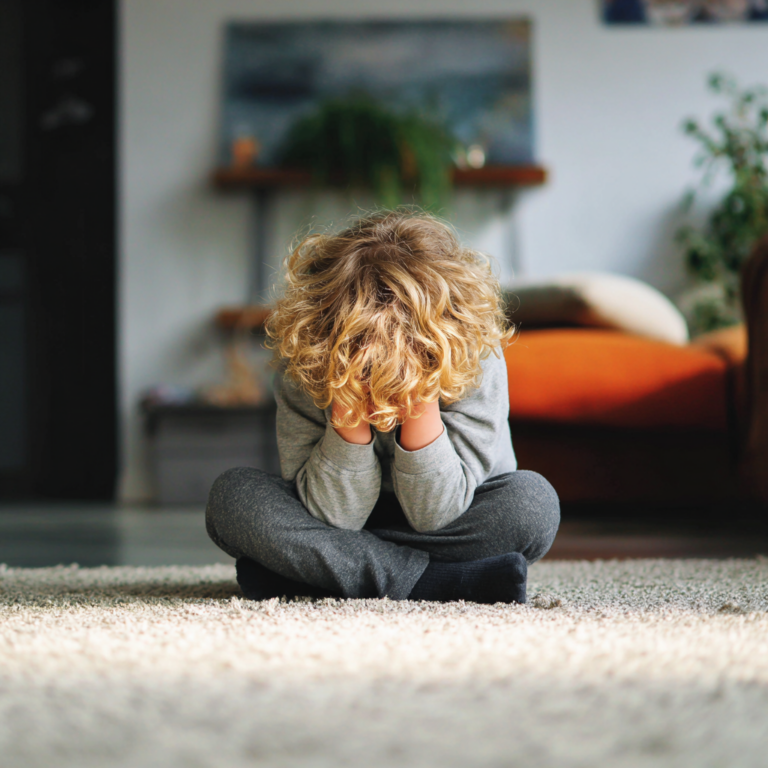
If you’ve ever tried a breathing exercise, quiet music, or a calm-down routine only to watch a child become more restless, you’re not alone. For many kids—especially younger children or kids with lots of energy—stillness comes after focus, not before it.
That’s where aquarium calm videos can help.
Why “Sit Still and Calm Down” Doesn’t Work for Every Child
Many calming strategies assume kids can:
- stop moving
- follow instructions
- control their breath
- stay still long enough to relax
But for a lot of children, especially those who are still developing self-regulation skills, that expectation is too big.
Kids who:
- fidget constantly
- struggle to sit during transitions
- get restless during quiet time
- have ADHD or sensory differences
often need a visual anchor before they can settle their bodies.
They don’t need silence.
They need something predictable to watch.
Aquarium Calm as a Focus-First Regulation Tool
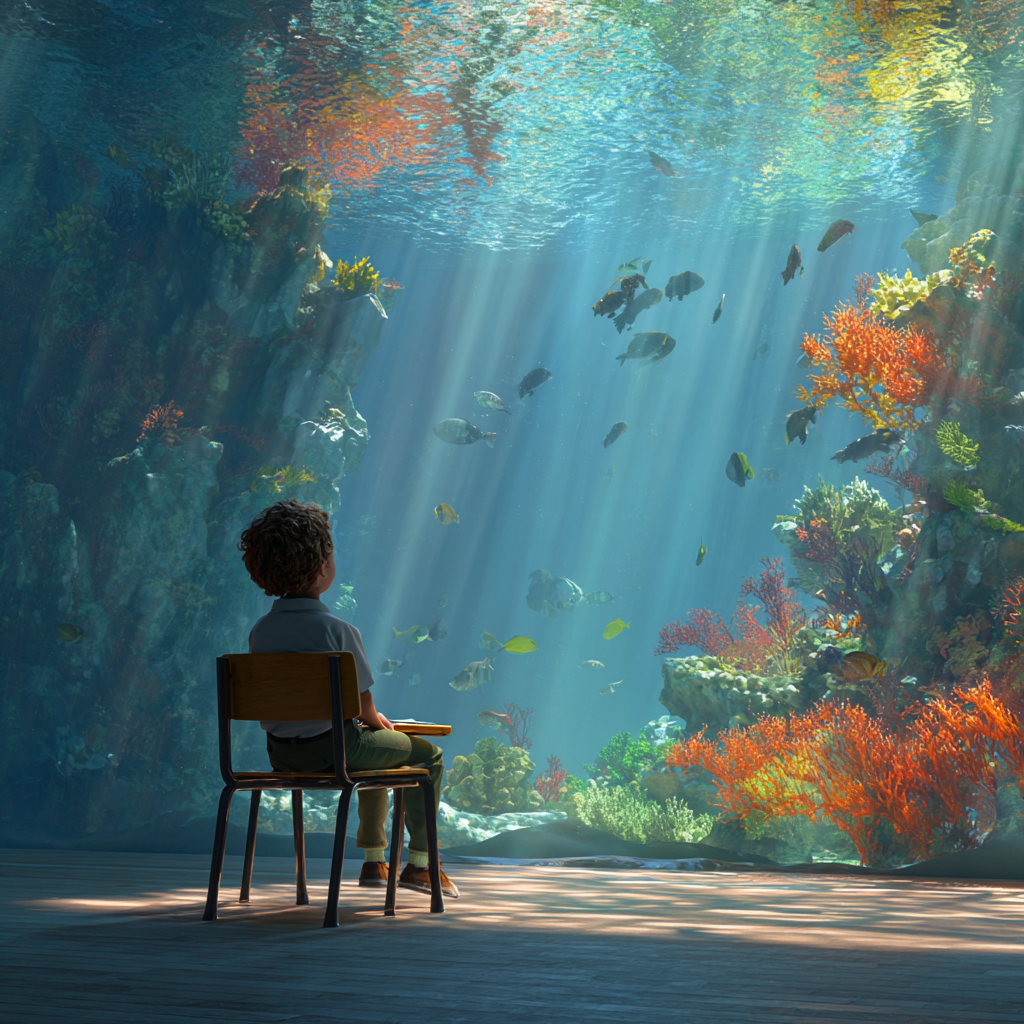
Aquarium videos work differently than breathing or visualization exercises.
Instead of asking kids to regulate internally right away, aquarium calm:
- gives their eyes something slow to follow
- provides continuous, predictable movement
- reduces the demand to “do” anything
Fish move in a way that naturally invites focus. Their motion is smooth, repetitive, and non-threatening. For many kids, that kind of visual input helps their nervous system settle without requiring stillness.
This makes aquarium calm especially helpful for kids who can’t sit still yet—but want to.
When Aquarium Calm Works Best
Aquarium calm videos are most effective when a child needs:
- quiet focus, not sleepiness
- a gentle transition between activities
- help settling after noisy or busy moments
- a calm option that doesn’t involve instructions
This makes them ideal for:
- classroom settle-in time
- after recess or specials
- indoor recess
- homework transitions
- calm corners
- end-of-day decompression
Unlike guided breathing, kids can watch while:
- sitting
- standing
- gently moving
- holding a fidget
Regulation still happens—just in a way that matches their developmental stage.
Why Watching Fish Helps Kids Focus
From a nervous system perspective, aquarium calm supports regulation by combining:
1. Continuous Motion
Fish don’t stop and start abruptly. Their movement is steady, which helps the brain shift out of alert mode.
2. Visual Tracking
Following fish through the water gently engages attention without overstimulation.
3. Low Cognitive Demand
There are no rules, instructions, or expectations—just watching.
This combination helps many kids organize their attention first, which then allows their bodies to slow down.
How Teachers Use Aquarium Calm in the Classroom
Teachers often use aquarium calm as a background focus tool, not a main activity.
Common classroom uses include:
- playing it during morning arrival
- using it after recess to reset energy
- turning it on during quiet work time
- offering it in a calm-down space
The key is that kids aren’t required to “participate.” They’re simply given space to settle while something calm and predictable is present.
How Parents Use Aquarium Calm at Home
At home, aquarium calm is often used when:
- kids are overstimulated after school
- siblings need a shared calm activity
- homework focus is difficult
- emotions are high but words aren’t helping
It’s especially helpful for parents who are also tired and don’t have the energy to guide a full calming exercise.
Sometimes pressing play is enough.
What Makes a Good Aquarium Calm Video for Kids
For focus and regulation, aquarium videos work best when they are:
- slow-paced
- visually clean
- not overly bright or busy
- designed intentionally for children
- free from sudden cuts or loud sounds
The LittleCalmMinds AquariumCalm Video was created with these exact needs in mind—so kids can settle their attention before being asked to settle their bodies.
Calm Doesn’t Always Start With Stillness
For many kids, calm begins with focus, not silence.
Aquarium calm offers a gentle way to help children who can’t sit still yet—but are learning how. It creates space for regulation to happen naturally, without pressure or performance.
If you’re looking for a quiet focus tool that supports kids where they are, aquarium calm is a powerful place to start.