
Calm Down Corner Ideas That Actually Work
Some kids hold it together all morning and then lose it over something small. A pencil breaks, someone cuts in line—it doesn’t matter what it is. You can tell it’s not really about that moment. It’s everything that came before it, all at once. They’re overloaded. What they need isn’t a lecture or a “talk.” They just need a spot to breathe. Let’s get into some calm down corner ideas that actually work.
As a mom and teacher, I am always on the hunt for tools to manage emotions. Through trial and error, I’ve learned that the best calm down corners are places that say: “It’s okay to feel what you’re feeling.”
Here’s how to create one that actually helps your child reset—and doesn’t just become another unused corner of the room.
1. Choose the Right Spot
Find a place that feels a little more settled than the rest of the room. Not by the TV, and definitely not near the hallway where everyone’s coming and going. Just a spot that’s a little quieter and slower. Somewhere your child can step out of the noise for a minute.
Sometimes it’s the corner by the bookshelf. Sometimes it’s a little space behind the couch.
A good way to figure it out is to watch where your child naturally goes when they’re upset or overstimulated. That instinct is usually a clue.
What matters most is that the spot doesn’t change. When it stays the same, it starts to feel safe. Over time, just walking over to it can help your child begin to calm down—before they even reach for anything or say a word.
2. Make It Comfortable
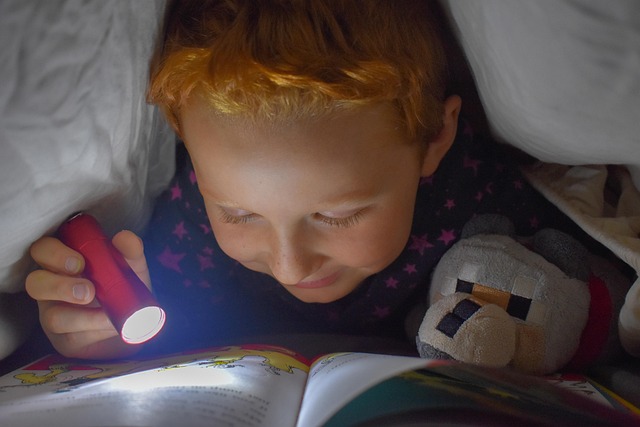
It doesn’t need to be cute or curated. The point is to help your child feel physically safe—like they can finally let their shoulders drop a little. Grab the blanket they always curl up with. The pillow that’s been dragged from room to room. The stuffed animal with the worn-out fur.
It doesn’t have to be new or special. In fact, it’s better if it’s not. What matters is that the space feels like theirs—somewhere their body can finally exhale.
If your child gets overwhelmed by sound—and a lot of kids do—a small fan or some headphones can help. Doesn’t need to be anything fancy. Just enough to take the edge off so the world feels a little quieter while they try to calm down.
3. Include Simple, Soothing Tools
You’ve got the calm down corner ideas; now, let’s talk about what to actually put in it. Keep the tools age-appropriate and easy to use. A few ideas:
- Breathing cards or glitter jars
- Sensory fidgets or stress balls
- Emoji feelings cards
- A mirror for facial awareness
- A feelings check-in chart
- A “calm down menu” with visual prompts (e.g., “Take 3 deep breaths,” “Squeeze a pillow,” “Hug a stuffed animal”)
These tools give kids a way to work through what they’re feeling, instead of keeping it all inside or letting it spill out in ways they don’t mean.
4. Make It Emotionally Safe
If the space feels like a consequence, kids will avoid it. The name matters. So does how it’s introduced. You don’t need to get creative—just pick something that doesn’t carry shame. “Calm corner” is fine. “Break spot” works too. Anything that sounds like a choice, not a punishment.
Let your child know it’s there for them. Not when they’re bad—when they need space. That’s a huge difference, and they’ll feel it.
If they see you use it too—quietly, without making it a thing—it reinforces the idea that calming down isn’t something you get sent away to do. It’s something we all need sometimes.
That’s what makes it work.
5. Keep It Fresh But Familiar
Every few weeks, you can rotate tools or update visuals to keep your child engaged. But don’t overhaul it completely—familiarity builds trust. If your child helps decorate or choose tools, they’ll feel even more ownership over the space.
6. Support the Reset
When your kid goes to the calm down corner, try to give them some space—but stay close. Not in their face, just nearby enough so they know they’re not on their own. Some kids need quiet. Others want someone right next to them, even if no one’s saying anything.
When things seem to settle a little, that’s your moment to check in. Nothing scripted. Just a soft “You doing okay?” or “Want to talk, or not yet?” That’s usually enough. Most of the time, they just want to know you’re there.
Final Thought
A calm down corner isn’t a quick fix. It won’t stop every meltdown or make hard moments disappear. But it gives your child something far more lasting—a way to move through those moments with a little more safety and a little less shame.
You’re teaching them that it’s okay to step away. That needing space doesn’t make them too much. And that calming down isn’t something they have to figure out alone.
💛 Looking for a Done-for-You Calm Corner Kit?
If you’re looking for calm down corner ideas that are easy to set up and actually get used, a printable kit can make things a whole lot simpler. Check out our printable calm corner tools, complete with calming cards, emotion check-ins, and creative mindfulness journal prompts.
You can print what you need, keep it all in one spot, and swap things out when your child starts to lose interest.