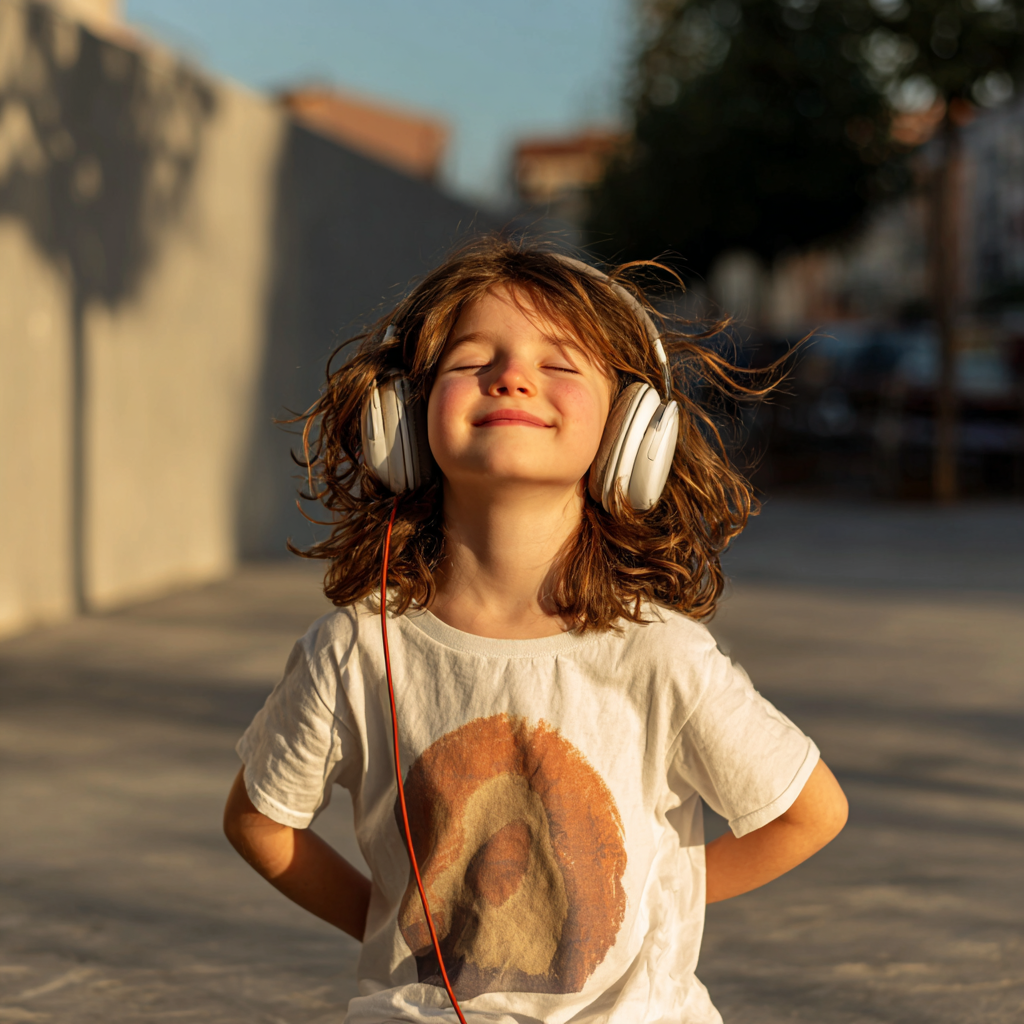
The Science of Calming Music for Kids: Why Rhythm Lowers Stress
If you’ve ever seen a toddler dance to one of Ms. Rachel’s catchy songs, you already know: Kids don’t just hear music—they feel it. When the rhythm slows, the body slows with it. That’s the magic of music—it nudges the nervous system into a calmer state. Research published in PLOS ONE found that listening to relaxing music can shape how the body responds to stress, helping the nervous system recover and even influencing cortisol, the hormone linked to stress.
Put simply: Calming music for kids doesn’t just fill the room with sound. It signals to the body, You’re safe. You can relax now.
And if you’re a parent or teacher trying to bring a little peace into your day, music might be the simplest mindfulness tool you haven’t fully tapped into yet.
Why Music Calms the Brain
Rhythm gives kids something predictable. While the world might feel chaotic (hello, playground drama, spelling tests, and screen time battles), a steady beat is reliable. Kids latch onto that structure, and it helps their emotions find a natural rhythm too.
Why Rhythm Works Better Than “Just Calm Down”
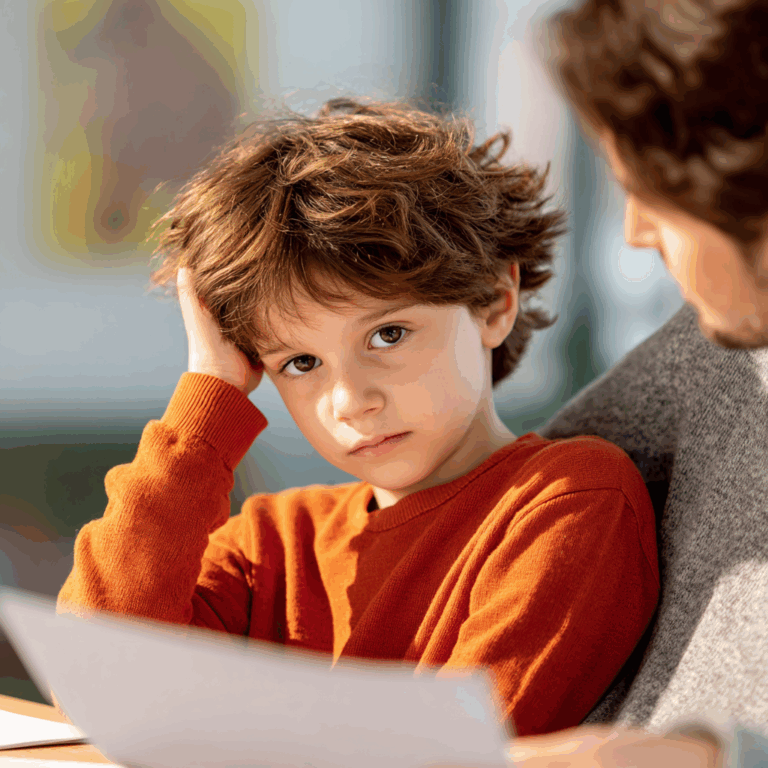
Here’s the truth: Telling a child to calm down rarely works—especially when they’re overwhelmed. Their nervous system is already on high alert, and words alone can feel impossible to process. That’s where calming music for kids makes a real difference.
Music gives them a concrete anchor. A steady rhythm offers predictability, and that sense of structure helps the brain shift out of fight-or-flight mode. Instead of resisting adult instructions, kids can engage with the music—by tapping a foot, humming along, or simply listening as their breathing syncs to the tempo.
The value here is simple: Calming music for kids turns “calm down” from an abstract request into a physical experience. It transforms regulation into something kids do, not just something they’re told. And because it’s backed by research, it’s far more than background noise—it’s a powerful tool parents and teachers can build into daily routines.
How I Use Calming Music with Kids
As a former teacher (and a parent who knows the chaos of weekday mornings), I’ve seen firsthand how powerful a single song can be. One mindful track before school can change the whole vibe of a classroom—or a family kitchen.
That’s why I created this calming mindfulness music video—to give kids a safe, rhythmic space to breathe. The video pairs gentle beats with guided relaxation, so children aren’t just listening—they’re practicing calmness in real time. Teachers have even told me they use it as a “reset button” between lessons.
Simple Ways to Try Calming Music Today
If you want to experiment with calming music for kids, here are a few easy entry points:
- Morning reset: Play one song as kids get ready for school.
- Homework helper: Use instrumental calming music as a focus background.
- Bedtime cue: A slow, soothing track signals the brain it’s time for sleep.
- Classroom transition: Teachers can use music as a timer between activities.
These micro-moments add up. Before long, music becomes not just a mood-booster but a rhythm that anchors the day.
Final Note
Music is universal—it cuts through stress without needing words. For kids, calming music is more than entertainment. It’s emotional training, a gentle reset, and a way to practice mindfulness without it feeling like “work.”
If you’re curious, try adding calming music for kids into your daily routine. You might be surprised how much peace a simple rhythm brings. And if you need a place to start, my mindfulness music video was designed to do just that—give kids a beat they can breathe with.