How to Calm an Overstimulated Child at Home (What Actually Works)

How to Calm an Overstimulated Child at Home (What Actually Works)

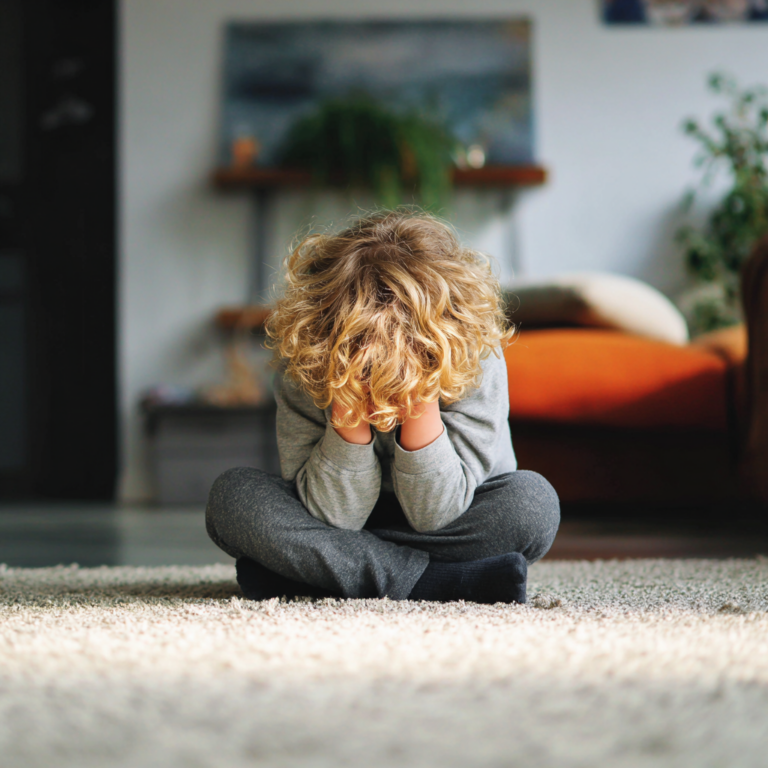
If your child won’t calm down at home, it’s often not a behavior issue—it could simply be overstimulation. When a child’s nervous system is overloaded, their body stays in a heightened state. That’s why typical calming strategies can feel ineffective or even make things worse. Below are the most common questions parents ask about how…


Why Your Child’s Nervous System Isn’t Calming Down (And What It Actually Needs)
| | |

Why Your Child’s Nervous System Isn’t Calming Down (And What It Actually Needs)

If your child can’t sit still, won’t calm down, or seems to get more worked up the more you try to help — this isn’t a behavior problem. It’s a nervous system problem. In this post, you’ll learn:• Why kids don’t just “calm down” on command• The different types of sensory input their bodies are…

Why Snowfall Calms Kids: The Science Behind Slow Visuals and Emotional Regulation

Why Snowfall Calms Kids: The Science Behind Slow Visuals and Emotional Regulation

You know that moment when a kid spots the first snowfall and suddenly…everything slows down? The fidgeting stops, the breathing evens out, and they just watch. Snow has that effect—it quietly settles the whole system. As it turns out, that calm isn’t just a feeling. It’s rooted in how the brain responds. Today, we’re digging…

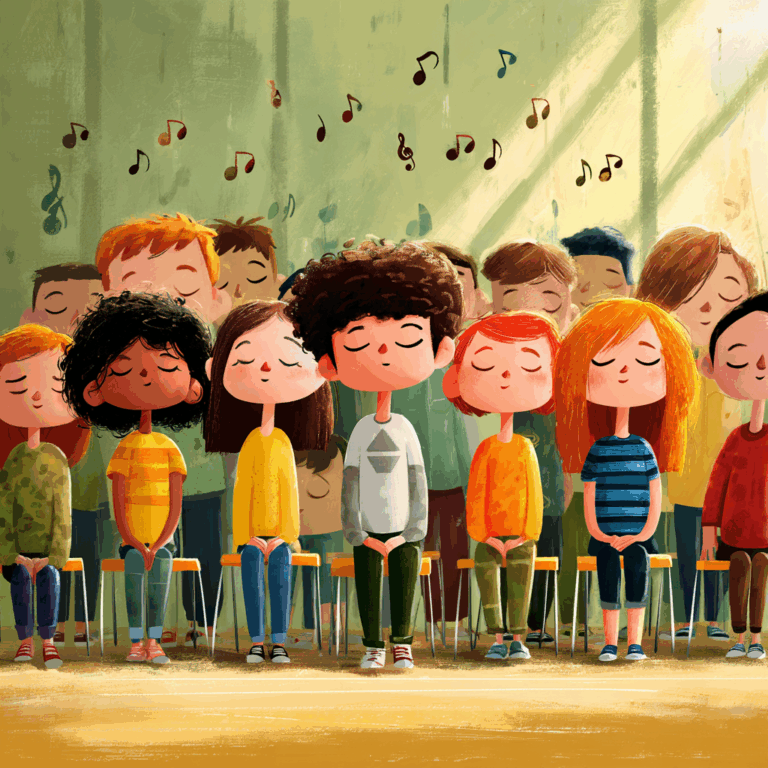
classroom of children practicing a mindfulness activity for kids

Breathe to the Music: A Two-Minute Mindfulness Activity for Kids

If your classroom feels like a pinball machine after recess, you’re not alone. The noise, the wiggles, the snack-fueled energy — it can get overwhelming fast. Truth be told, the hardest part of your day isn’t the lessons; it’s the transitions. How do I know? I’ve been there and done that. And after much trial…

My No-Prep Mindfulness Routine for the Last 5 Minutes of Class
|

My No-Prep Mindfulness Routine for the Last 5 Minutes of Class

Here’s a universal truth: The last five minutes of class are dangerous. The lesson is done, pencils are half-sharpened, someone is already hovering near the door like it’s Black Friday at Best Buy, and you can feel the chaos creeping in. For years, I let those minutes slip away. I let them fill with chatter,…

Boy listening to calm music for kids
|

The Science of Calming Music for Kids: Why Rhythm Lowers Stress

If you’ve ever seen a toddler dance to one of Ms. Rachel’s catchy songs, you already know: Kids don’t just hear music—they feel it. When the rhythm slows, the body slows with it. That’s the magic of music—it nudges the nervous system into a calmer state. Research published in PLOS ONE found that listening to relaxing music…

When Kids Don’t Want to Talk: Try a Feelings Check-In Instead
|

When Kids Don’t Want to Talk: Try a Feelings Check-In Instead

Let’s set the scene: You notice your kid is off. They’re quiet, stompy, or oddly hyper. Naturally, you go for the classic: “What’s wrong?” And boom—brick wall. Shrug. “Nothing.” Cue the internal parent scream. It’s not that they don’t feel anything. It’s that naming feelings is hard. And talking about them? Even harder. Especially when…

Distracted child with pencil in hand trying to focus

What to Do When Kids Can’t Focus (And You’re Out of Tricks)

Ever sat in a meeting where the speaker starts sounding like the grown-ups in a Peanuts cartoon?“Womp womp womp womp…” Kids feel that too — more often than we think. And when their attention goes out the window (along with your patience), it’s tempting to reach for another sticker chart, timer, or whispered threat of…

The 12 Must-Know Emotions for Kids to Learn (Hint: A LOT of Adults Teach These Incorrectly)
|

The 12 Must-Know Emotions for Kids to Learn (Hint: A LOT of Adults Teach These Incorrectly)

You’ve probably taught your child to say “I’m happy” or “I’m mad.” Maybe even “sad.” But here’s the surprising truth: most kids are taught emotions in a way that’s far too vague, too limited, or just plain wrong. As a result, kids struggle to express how they actually feel—and by the time they reach age 7, that…